


GENESIS

Areas you could venture into

Ventures to watch

Signals from trusted sources about where new work and ideas may grow. These are signals, not predictions. Check the sources and make your own judgement.

Last updated: 15 November 2026

Energy

Solar installation and upkeep

Nigeria is forecast to install about 1.7 gigawatts of solar in 2026, making it one of only six African countries now installing at gigawatt scale, alongside South Africa, Egypt, DR Congo, Algeria and Morocco.

Transport

Converting vehicles to gas (CNG)

Officials report over 100,000 CNG vehicles on Nigerian roads, up from about 11,000 in 2023.

Food & farming

Keeping food fresh (cold storage)

A cold-chain industry body estimated ₦3.5–5 trillion in post-harvest losses in Nigeria in 2025.

Energy

Solar power and batteries

Solar capacity added worldwide passed 600 GW in 2025, more than any other power technology, and pushed solar past 2,800 GW of total installed capacity.

Care & health

Care and services for older people

By 2030, about one in six people in the world will be 60 or older.

Digital

Helping small businesses use AI

An OECD survey of over 5,000 small and medium businesses in seven countries found about 31% using generative AI.

Recycling

Recycling and turning waste into value

The world produced about 2.1 billion tonnes of household and city waste in 2023, and this is expected to reach 3.8 billion tonnes by 2050.

Travel

Tourism and hospitality

About 1.52 billion international trips were made in 2025, 4% more than in 2024; Africa grew twice as fast, by 8%, to 81 million arrivals.

Transport

Logistics and delivery

Businesses sold almost USD 27 trillion online in 2022 (UNCTAD, 43 economies), and every order has to be delivered.

Cooking

Clean cooking

Smoke from cooking with wood, charcoal and kerosene contributes to around 3 million early deaths each year.

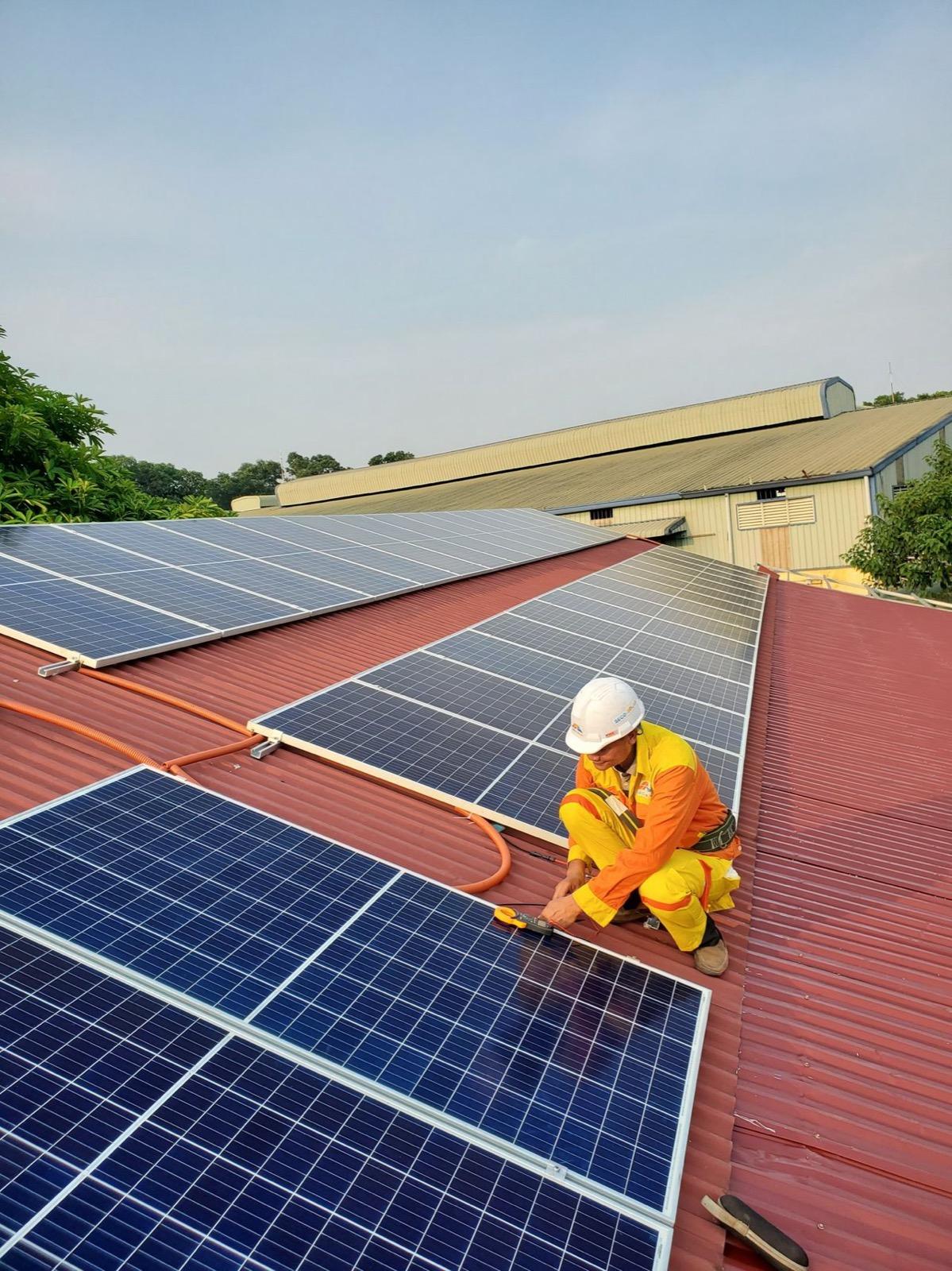
A man installing solar panels

Featured this month

Solar installation and upkeep

With unreliable grid power and costly fuel, more Nigerian homes and shops are turning to solar, and they need people to sell, install, finance and repair these systems.

Near you: Nigeria

A man installing solar panelsPhoto: Trinh Trần, Pexels
Energy

Solar installation and upkeep

With unreliable grid power and costly fuel, more Nigerian homes and shops are turning to solar, and they need people to sell, install, finance and repair these systems.

Signals to watch

Nigeria is forecast to install about 1.7 gigawatts of solar in 2026, making it one of only six African countries now installing at gigawatt scale, alongside South Africa, Egypt, DR Congo, Algeria and Morocco.

Nigeria imported 1,721 MW of solar panels in the 12 months to June 2025, second only to South Africa in Africa.

Nigeria and DR Congo now import more dollars of batteries than solar panels, as households and businesses buy batteries to store solar power and skip diesel during outages.

A solar panel can pay for itself in under six months by replacing diesel, according to Ember's economics.

What could go wrong

An energy expert cited an estimate that up to 40 percent of solar components sold in Nigeria do not meet international standards, with fake Grade-A labels used to mislead buyers.

Cheap or counterfeit batteries and inverters can overheat, fail early or even start fires, so poor-quality gear is a real safety risk, not just a money risk.

A 590W panel that sold for about ₦125,000–₦130,000 in early 2025 was going for ₦140,000–₦145,000 by mid-2026, as import duty and currency pressure push prices up.

Even with pay-as-you-go and instalment plans, many households still cannot raise the deposit needed, so full solar power remains out of reach for some.

Skills it needs

ElectriciansSolar technicians and installersBattery and inverter repairSales and customer-education agentsPayment-plan and micro-finance agentsQuality/certification checkers

Sources

Start an idea from this →
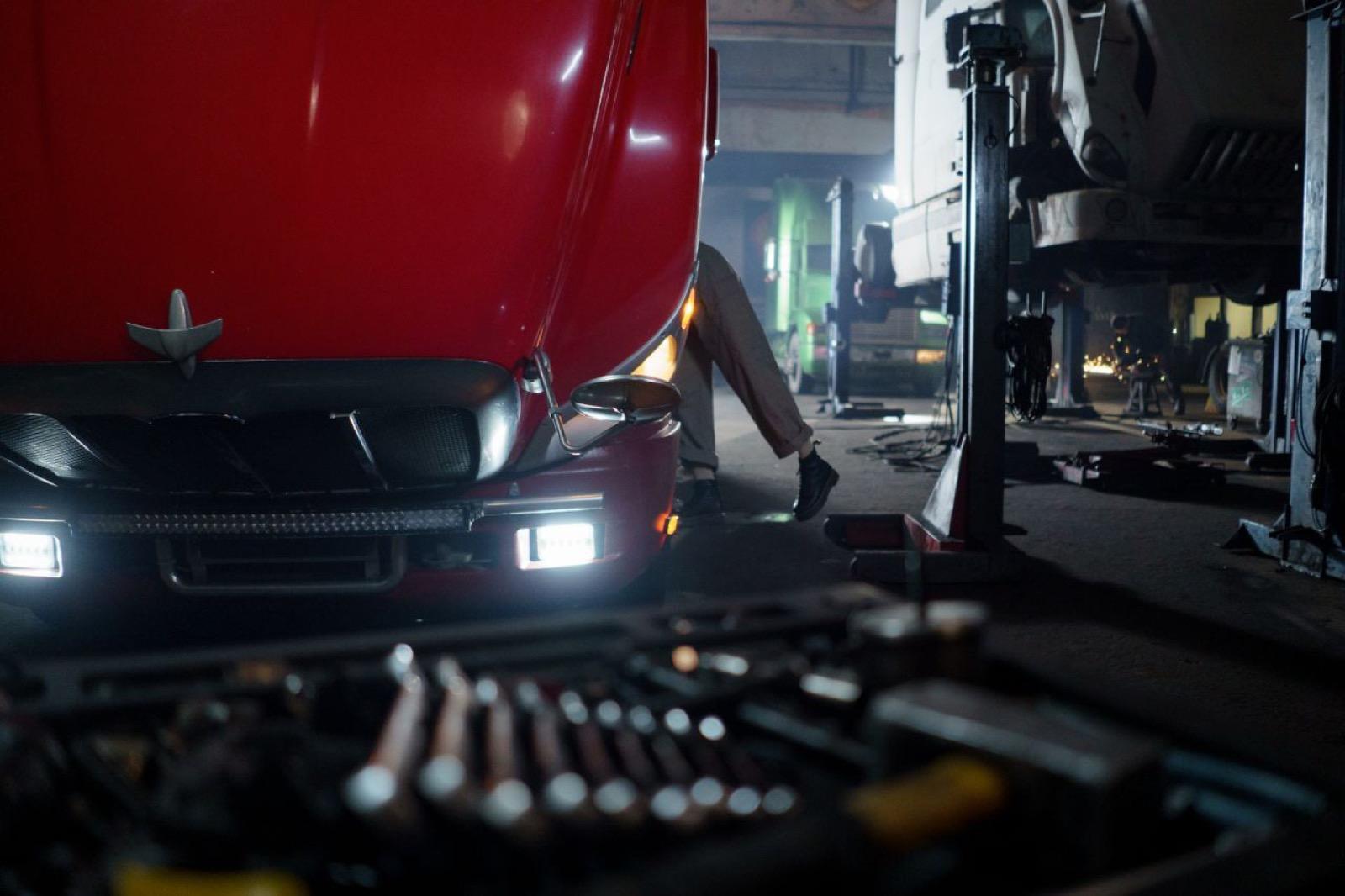
A mechanic working on a truckPhoto: cottonbro studio, Pexels
Transport

Converting vehicles to gas (CNG)

A national programme is pushing cars, buses, tricycles and trucks to run on compressed natural gas, which needs conversion workshops, gas stations and trained technicians.

Signals to watch

Officials report over 100,000 CNG vehicles on Nigerian roads, up from about 11,000 in 2023.

Conversion centres have grown from 7 to more than 300, with the programme targeting one million CNG vehicles by 2027.

What could go wrong

Refuelling stations are still limited in many states.

Conversion must be done by certified technicians; unsafe work is dangerous.

The market depends heavily on government policy and targets that may slip.

Private conversion costs are high for many car owners.

Skills it needs

MechanicsWeldersDrivers and fleet ownersStation operatorsSafety inspectors

Sources

Start an idea from this →
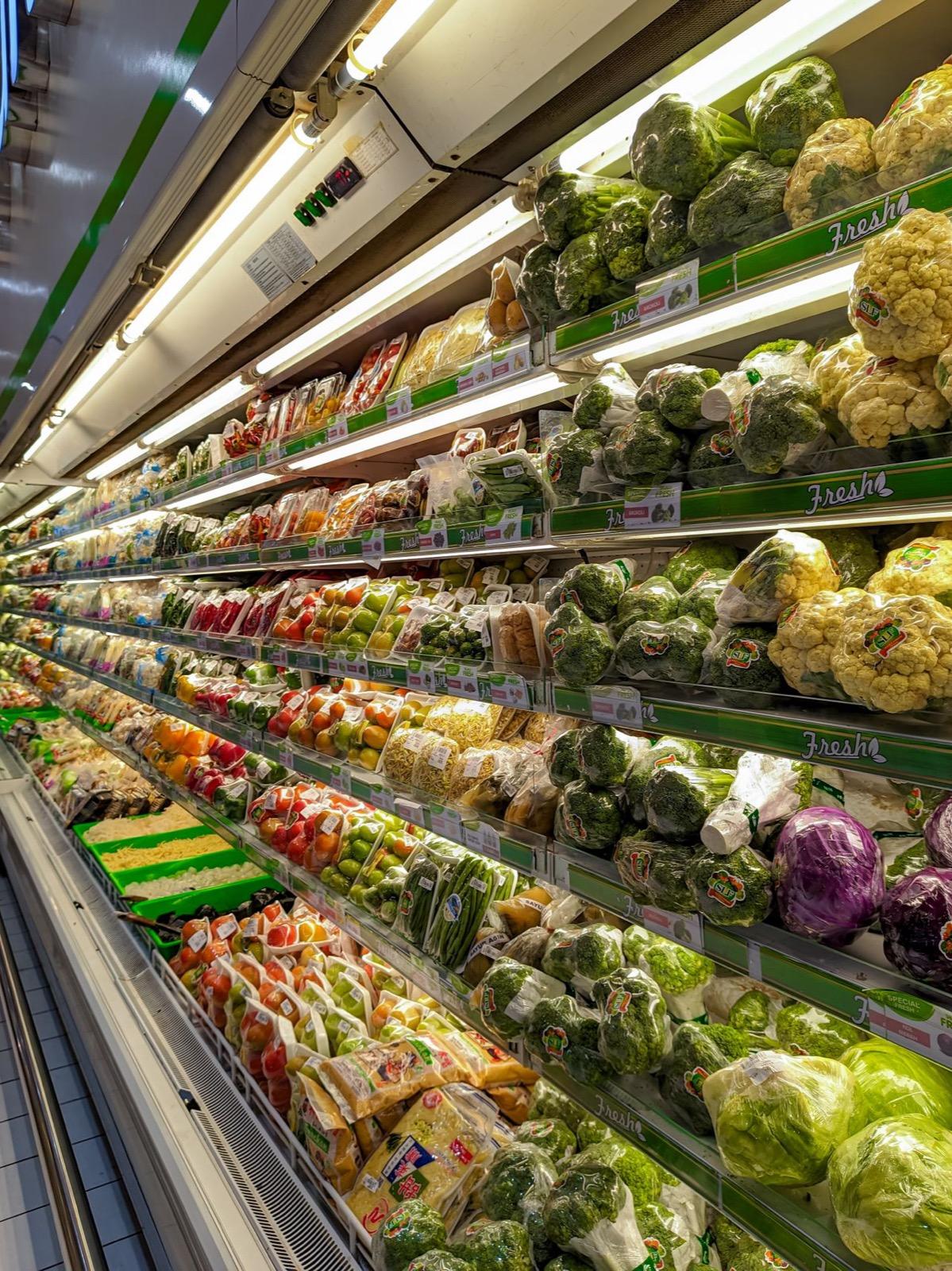
Fresh vegetables on display in a grocery storePhoto: novianadss, Pexels
Food & farming

Keeping food fresh (cold storage)

A large share of tomatoes, vegetables, fruit, fish and meat spoils before it reaches buyers. Cold rooms, cooled transport and processing can save food and raise farmers' income.

Signals to watch

A cold-chain industry body estimated ₦3.5–5 trillion in post-harvest losses in Nigeria in 2025.

Solar-powered cold rooms with pay-as-you-store pricing are already operating, and one provider reports users earning more by selling when prices are better.

What could go wrong

Cold rooms and refrigerated trucks cost a lot up front.

Power, maintenance and farmers' cash flow are ongoing challenges.

Skills it needs

FarmersMarket tradersRefrigeration techniciansDriversFood processors

Sources

Start an idea from this →

Around the world

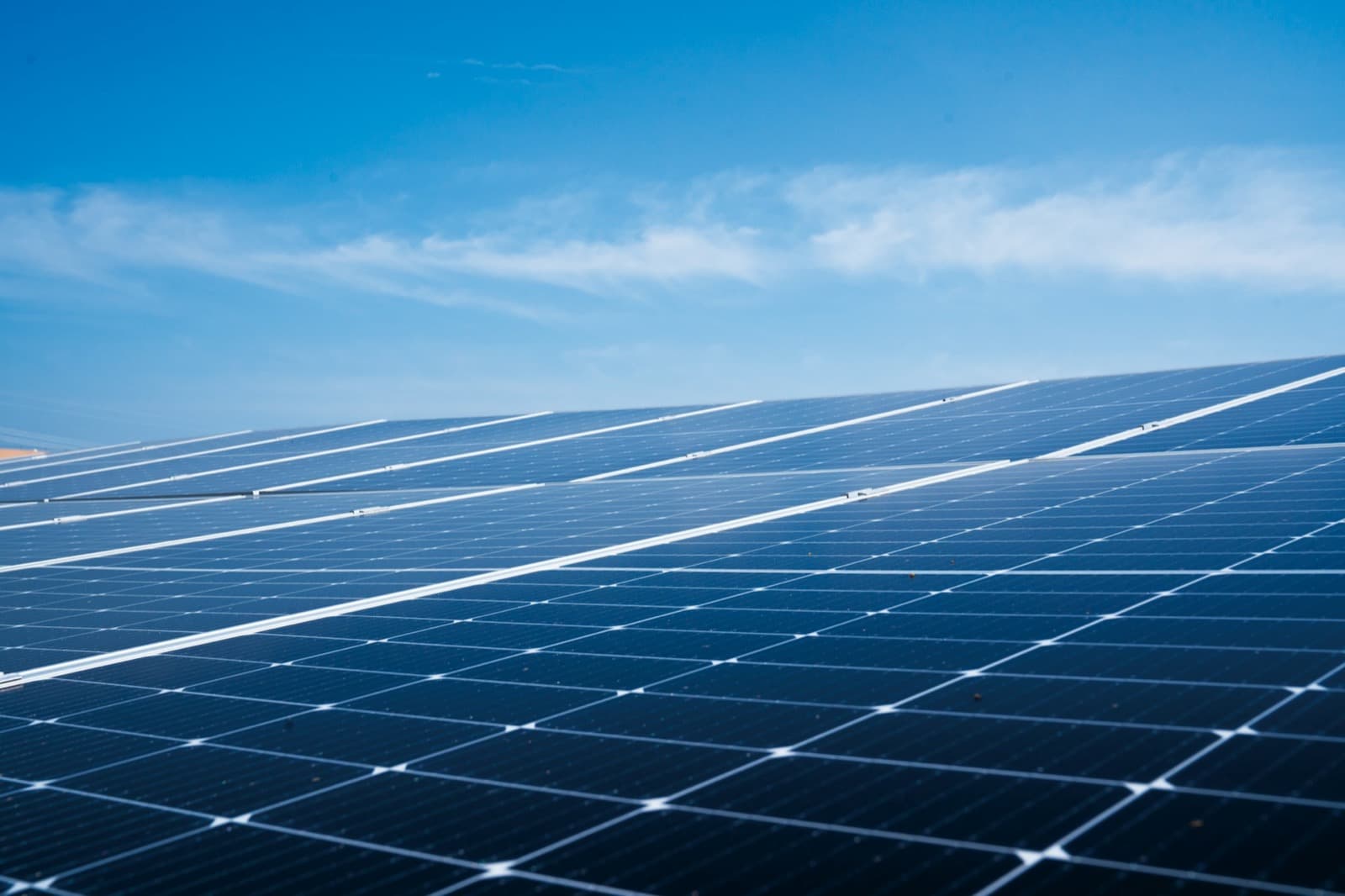
Solar panels on a roofPhoto: Soren H, Unsplash
Energy

Solar power and batteries

Solar is still the world's fastest-growing way to make electricity, and now batteries that store that power are growing even faster. More homes and businesses are pairing solar panels with batteries to use power any time of day.

Signals to watch

Solar capacity added worldwide passed 600 GW in 2025, more than any other power technology, and pushed solar past 2,800 GW of total installed capacity.

Battery storage added worldwide jumped 40% in 2025 to about 108 GW, overtaking the old record once held by gas power plants and making batteries the fastest-growing power technology.

Around 30 countries each installed over 1 GW of solar in a single year, almost double the number in 2020.

Lithium-iron-phosphate (LFP) batteries, the cheaper, hard-wearing type, now make up about 90% of new battery storage installed.

What could go wrong

Prices swing with supply chains and trade or tariff policy.

Badly installed panels or batteries fail early and damage trust in the whole market.

Many grids still struggle to absorb large amounts of solar, so connection delays and curtailment can slow projects.

Sudden policy changes, like China's shift from fixed tariffs to auctions, can cause a rush of installs followed by a slowdown.

Skills it needs

ElectriciansSolar panel installersBattery techniciansSales agentsFinance and payment plan advisersMaintenance and repair technicians

Sources

Start an idea from this →
A young person holding an older person's handPhoto: Kampus Production, Pexels
Care & health

Care and services for older people

People are living longer almost everywhere, and most of this growth in older populations is happening in low- and middle-income countries, including Nigeria. There are not enough trained carers to keep up with the need, and good care is often expensive.

Signals to watch

By 2030, about one in six people in the world will be 60 or older.

By 2050, about two-thirds of people over 60 will live in low- and middle-income countries.

In Nigeria, the number of older people is expected to reach about 11.5 million by the end of 2026, rising to roughly 25.5 million by 2050.

A Guardian Nigeria market check found paid elderly-care services there costing between N200,000 and N500,000 a month, putting them out of reach for many families.

What could go wrong

Trust and safety matter enormously; carers need proper training, background checks and supervision, since Nigeria's elderly-care sector is still largely unregulated and open to untrained providers.

Many families can't afford paid care, so pricing is hard, especially for low-income households.

There is a global shortage of trained caregivers; low pay and hard working conditions mean many quit early, making it hard to keep good staff.

Nigeria has very few geriatric specialists for its older population, so most care still falls on families and informally trained carers.

Skills it needs

CarersNursesPhysiotherapistsDriversBuilders for home adaptationsCooks

Sources

Start an idea from this →
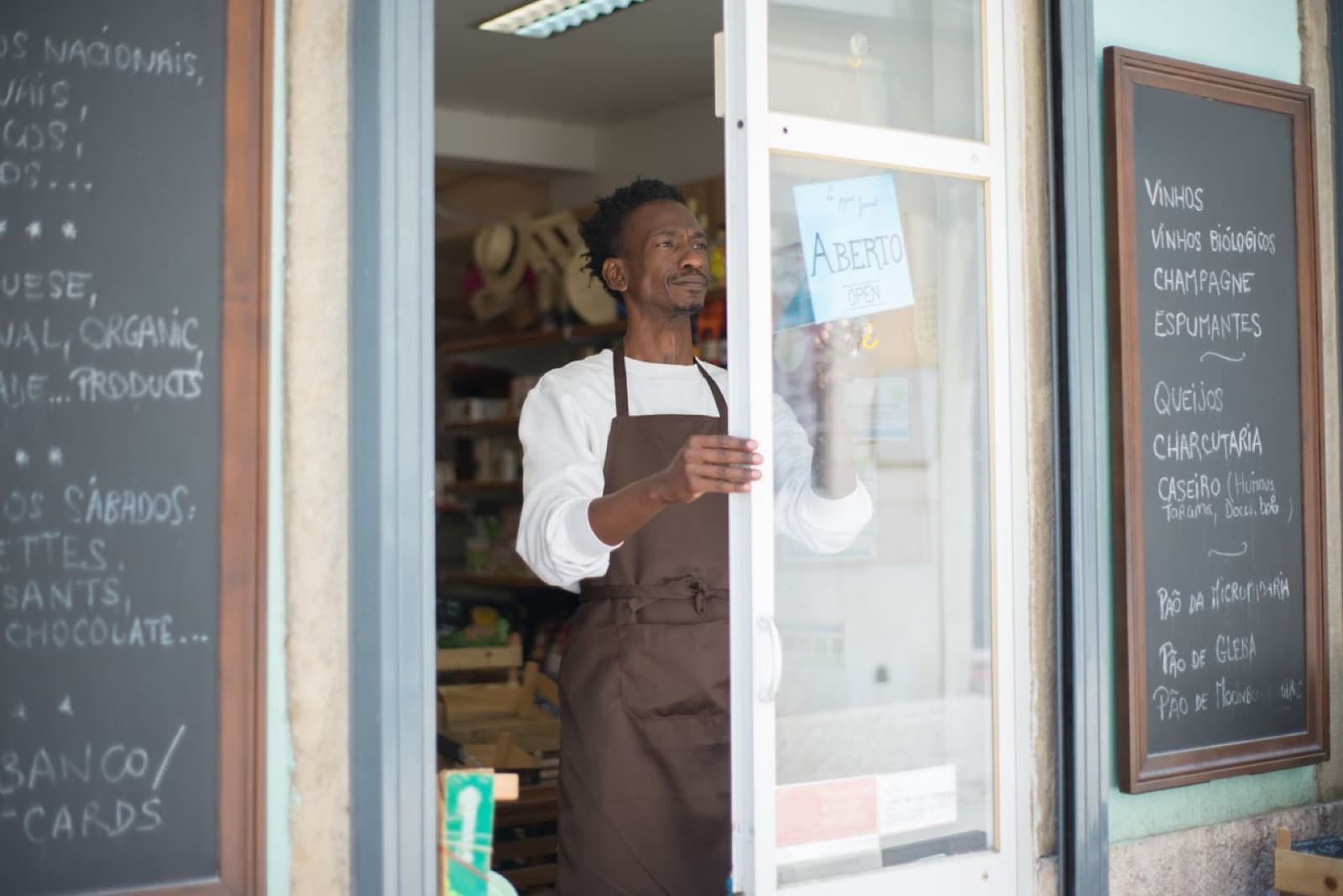
A shopkeeper opening his storePhoto: Kampus Production, Pexels
Digital

Helping small businesses use AI

AI tools can write, translate, answer customers and keep records, but many small businesses don't yet know how to use them well.

Signals to watch

An OECD survey of over 5,000 small and medium businesses in seven countries found about 31% using generative AI.

Across OECD countries, large firms use AI at more than three times the rate of small firms, a gap someone needs to close.

What could go wrong

Tools change fast and some services become free overnight.

Mistakes, privacy and copyright problems can hurt customers.

Skills it needs

TrainersMarketersTranslatorsDevelopersPatient teachers

Sources

Start an idea from this →
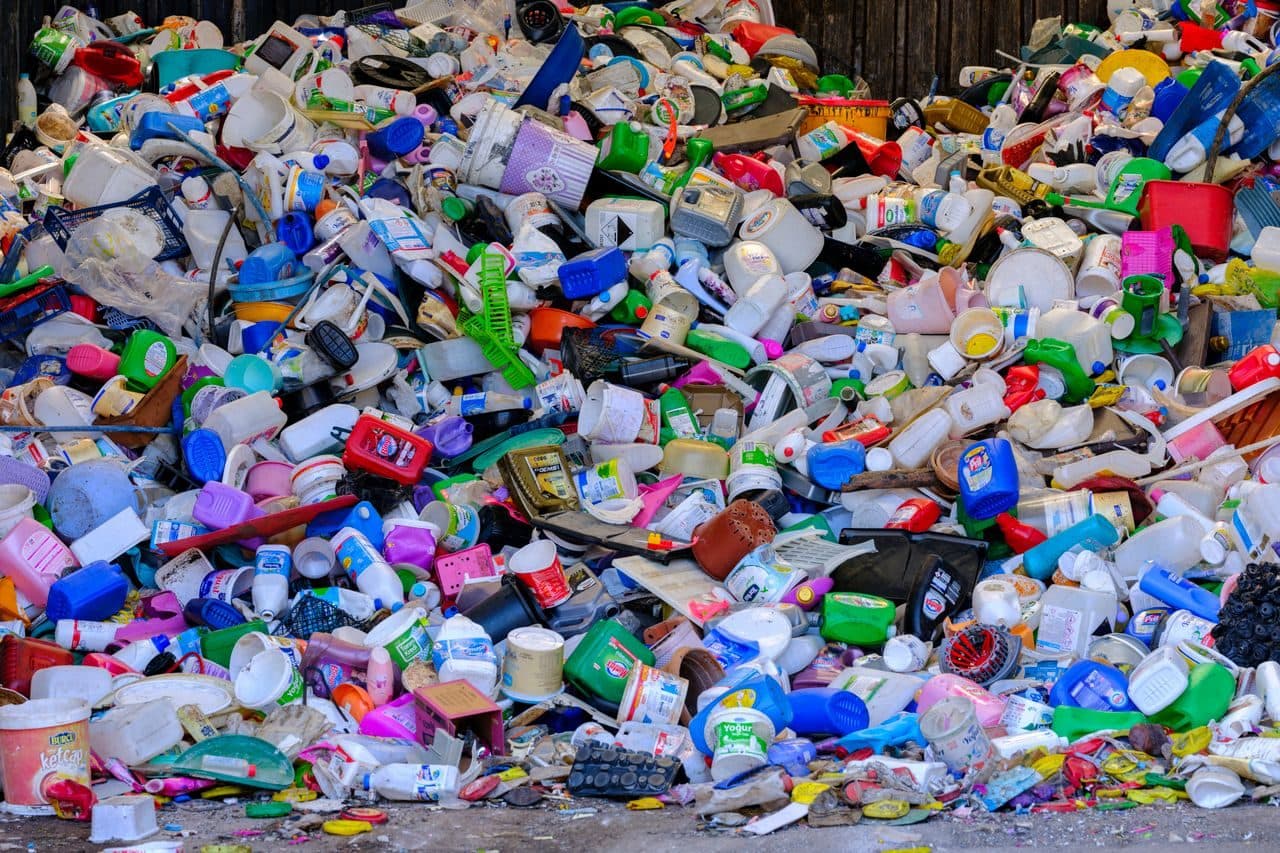
A heap of plastic bottles and containers at a recycling centrePhoto: Engin Akyurt, Pexels
Recycling

Recycling and turning waste into value

The world makes more rubbish every year and most of it is never recovered. Collecting, sorting and remaking waste into new products is work that grows with every city.

Signals to watch

The world produced about 2.1 billion tonnes of household and city waste in 2023, and this is expected to reach 3.8 billion tonnes by 2050.

Managing waste already costs about USD 361 billion a year once pollution and health costs are counted.

The UN estimates a circular economy, where waste is reused and remade, could bring a net gain of about USD 108 billion a year by 2050.

What could go wrong

Prices for recycled plastic, paper and metal rise and fall with oil and commodity markets.

Collection only pays when waste is sorted well; mixed rubbish is costly to handle.

Informal waste pickers do much of the work today, so fair pay and safety matter.

Skills it needs

Collectors and driversSorting and machine operatorsProduct designersSales to manufacturersCommunity organisers

Sources

Start an idea from this →
Sun loungers and parasols beside a hotel swimming pool among gardensPhoto: Vidit Goswami, Unsplash
Travel

Tourism and hospitality

More people travel every year, for holidays, family, work and events. Short stays, guided tours, local food, transport and event services can start small and grow with good reviews.

Signals to watch

About 1.52 billion international trips were made in 2025, 4% more than in 2024; Africa grew twice as fast, by 8%, to 81 million arrivals.

Travel and tourism supported 366 million jobs in 2025, about 1 in 9 jobs worldwide, and 1 in 3 of all new jobs.

The sector grew 4.1% in 2025, faster than the world economy at 2.8%.

What could go wrong

Visitors come and go with seasons, safety news and exchange rates.

Reviews make or break you; cleanliness, safety and honesty matter more than anything.

Licences, tax and short-let rules differ from place to place.

Skills it needs

Hosts and guidesCooksDriversPhotographers and content creatorsBookings and customer service

Sources

Start an idea from this →
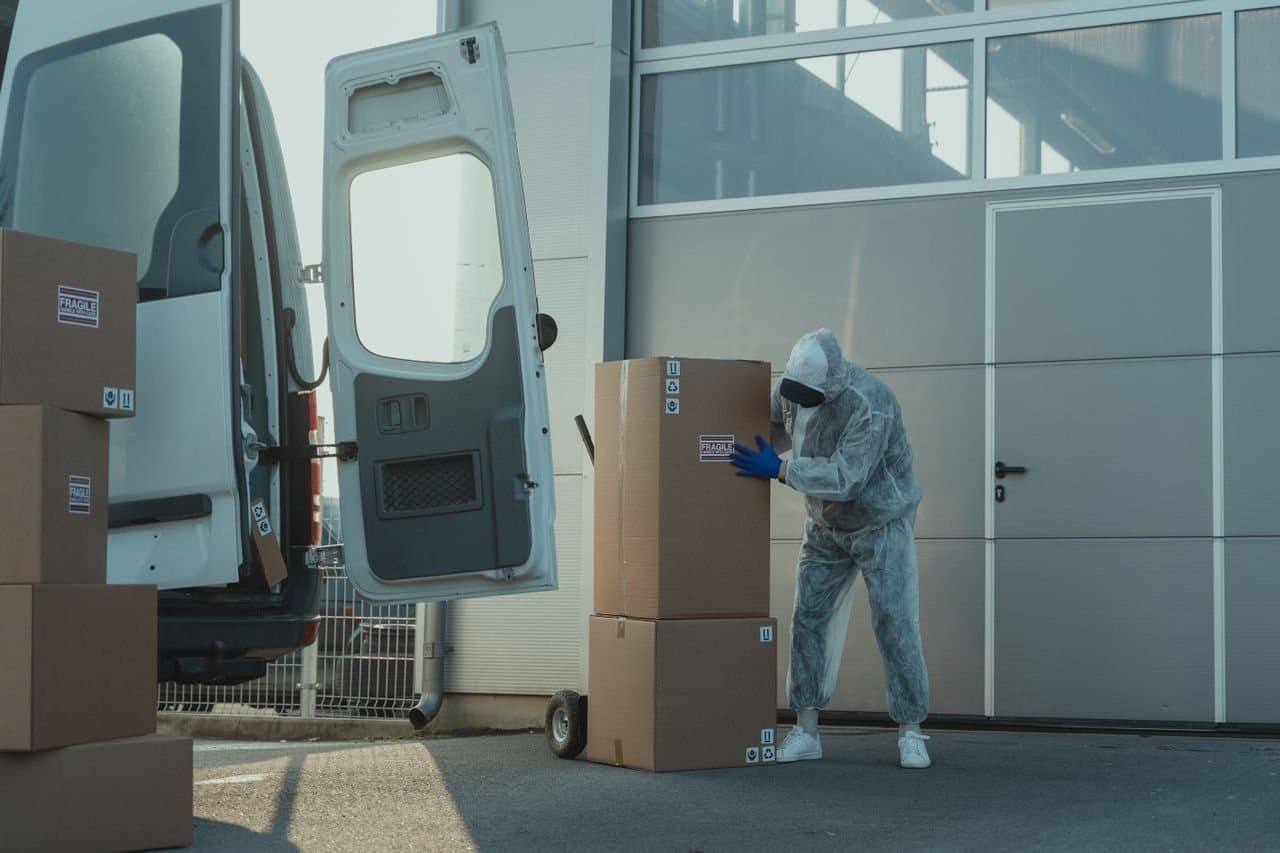
A worker in protective gear moving boxes from a delivery vanPhoto: Tima Miroshnichenko, Pexels
Transport

Logistics and delivery

Every shop, farm and online seller needs goods picked up, stored and delivered. Delivery riders, couriers, small warehouses and the apps that plan routes are needed wherever trade is growing.

Signals to watch

Businesses sold almost USD 27 trillion online in 2022 (UNCTAD, 43 economies), and every order has to be delivered.

About 6 billion people used the internet in 2025, so more buying happens from a phone.

The World Bank finds the biggest trade delays are at ports, airports and transfer points, and that going digital can cut port delays by up to 70% in emerging economies.

What could go wrong

Fuel prices and road conditions eat into thin margins.

Lost or damaged parcels cost trust; tracking and insurance help.

Riders and drivers need safety gear, training and fair pay.

Skills it needs

Riders and driversDispatch and route planningWarehouse staffCustomer serviceFleet maintenance

Sources

Start an idea from this →
Steam rising from a pot on a stove by a sunny windowPhoto: Gaelle Marcel, Unsplash
Cooking

Clean cooking

Billions of meals are still cooked over wood and charcoal smoke. Gas, electric and better stoves, and the fuel and repairs behind them, are spreading fast.

Signals to watch

Smoke from cooking with wood, charcoal and kerosene contributes to around 3 million early deaths each year.

In sub-Saharan Africa, four out of five households still lack clean cooking, yet around 13 million people a year have been gaining access.

Investment in clean cooking in Africa reached a record USD 675 million in 2023.

What could go wrong

Families switch only if the new way is cheap to keep running, not just to buy.

Gas supply and prices can be unreliable outside big cities.

Skills it needs

Sales agentsStove and gas techniciansDelivery and logisticsCommunity health educatorsPayment-plan and finance

Sources

Start an idea from this →

Don't see your country yet? More regions are coming.